
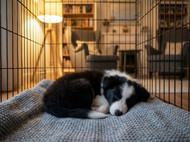
How to Get Your Puppy to Sleep Through the Night
Posted by Atlantic Pet Products on Aug 02, 2023
Bringing a new puppy home is exciting — until the middle-of-the-night whimpering starts. Learning how to get your puppy to sleep through the night is one of the first challenges every new pet owner faces. The good news is that with the right routine and a little patience, most puppies settle into a full night's rest within a few weeks.
Why Puppies Wake Up at Night
Young puppies have tiny bladders. Most cannot physically hold on for more than a few hours until they are around four months old, so midnight toilet breaks are perfectly normal in the early weeks.
Beyond bathroom needs, puppies wake because they are adjusting to a brand-new environment. They have just left their littermates and mother, so feelings of anxiety and loneliness are common — especially during the first few nights.
Hunger, excess energy, and unfamiliar noises can also play a role. Understanding the reason behind the waking is the first step toward solving it.
Building a Bedtime Routine That Works
Puppies thrive on predictability. Setting a consistent bedtime routine signals to your puppy that the day is winding down and it is time to rest.
A solid routine might look like this:
- Final meal — serve dinner at least two to three hours before bed so your puppy has time to digest.
- Last toilet break — take your puppy outside (or to their designated spot) right before lights out.
- Calm-down period — dim the lights, switch off the television, and avoid rough play for the last 30 minutes of the evening.
- Settle in the sleeping area — place your puppy in their crate or bed with a safe chew toy or a blanket that carries a familiar scent.
Repeat this sequence every single night. Within a week or two, most puppies begin to anticipate bedtime and settle more quickly.

Crate Training for Better Sleep
A crate gives your puppy a den-like space that feels safe and enclosed. When introduced correctly, it becomes a place your puppy wants to be — not a punishment.
Start by feeding meals inside the crate and tossing treats in during the day so your puppy builds positive associations. Leave the door open at first. Once your puppy enters willingly, begin closing the door for short periods while you are still in the room.
Place the crate in your bedroom for the first few weeks. Being close to you reduces separation anxiety and makes it easier for you to hear when your puppy needs a toilet break.
Quick tip: Drop a worn t-shirt into the crate. Your scent provides comfort and can help a restless puppy settle faster — no fancy products required.
As your puppy matures and sleeps more reliably, you can gradually move the crate to its permanent location if you prefer.
Daytime Habits That Improve Night-Time Rest
A puppy that sleeps all day will have energy to burn at midnight. Ensure your puppy gets plenty of age-appropriate exercise and mental stimulation during daylight hours.
Short play sessions, basic training drills, and puzzle feeders all help tire out a young dog's body and brain. Aim for several brief bursts of activity rather than one long session — puppies fatigue quickly and also need daytime naps to support healthy growth.
Keeping your puppy healthy and comfortable also makes a difference at bedtime. Itching, scratching, and general discomfort from fleas and ticks can easily disrupt sleep, so staying on top of parasite prevention is well worth the effort. Likewise, starting heartworm prevention early protects your puppy's long-term health and removes another potential source of restlessness down the track.
Try to keep nap times balanced. A good rule of thumb is one hour of sleep for every hour of wakefulness — but limit late-afternoon naps so your puppy is genuinely tired by bedtime.
Common Mistakes to Avoid
Responding to every whimper. If you rush to your puppy the moment they cry, they quickly learn that noise equals attention. Wait a minute or two before intervening — they may resettle on their own.
Skipping the last toilet break. Even if your puppy does not seem desperate, always offer a final opportunity to relieve themselves. A full bladder is one of the most common reasons puppies wake up.
Changing the sleeping spot too often. Consistency matters. Pick one sleeping location and stick with it while your puppy is still learning the routine.
Punishing night-time accidents. Accidents will happen. Clean them up calmly and without fuss. Scolding a puppy after the fact only creates fear — it does not teach bladder control.
Overfeeding before bed. A heavy meal or too many treats close to bedtime increases the likelihood of a middle-of-the-night toilet trip — or an upset stomach.
Frequently Asked Questions
At what age do most puppies sleep through the night?
Most puppies can sleep for six to eight uninterrupted hours by the time they are around 16 weeks old. Smaller breeds may take a little longer because of their smaller bladders. Every puppy is different, so focus on gradual progress rather than a fixed deadline.
Should I leave water in my puppy's crate overnight?
It is generally best to pick up the water bowl about two hours before bedtime. This reduces the chance of overnight toilet breaks. Just make sure your puppy has had plenty of water throughout the day so they are not going to bed thirsty.
Is it okay to let my puppy sleep in my bed?
This is a personal choice, but most trainers recommend teaching your puppy to sleep independently first. Once good habits are established — and your puppy is reliably house-trained — you can decide whether to share your bed without risking setbacks in training.
Getting a puppy to sleep through the night takes consistency, patience, and the right setup. While you are building healthy habits, make sure the basics are covered too — browse our range of preventative health products for dogs to keep your puppy comfortable, protected, and ready for a great night's rest. If sleep troubles persist beyond a few weeks, have a chat with your vet to rule out any underlying health concerns.